
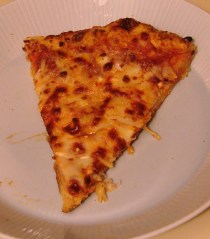
There’s a homeless shelter in walking distance of my apartment, where I volunteer once a month. It’s “transitional,” meaning it’s intended for families who need short-term housing assistance (though I’m not entirely sure what “short term” means, because I volunteered there several times last autumn, then recently signed up for the same volunteer project again and encountered many children I recognized from the fall). The project I do is called “Read to Me.” We volunteers come in, read with one or two kids each for about 45 minutes, then the kids do a craft, then they get pizza.
As you might expect, the reading is tolerated but the pizza is the main event. The kids get jittery and excited as pizza time nears, chanting, “We want pizza!” and—even more tellingly—actually settling down upon being told that was the condition for receiving the pizza. The kids are of all different reading levels, all different personalities, and all different shapes and sizes, but they’re united in their love of pizza.
But one kid, small for his age, chanted along with the rest but barely nibbled the very tip of his slice, getting his hands smeared with grease but otherwise hardly touching the pizza. When the others were clamoring for seconds, he just sat quietly. I couldn’t help but notice, and to wonder why this would be. Obviously, there could have been any number of reasons why this kid wasn’t eating his pizza: maybe he’d had breakfast late, maybe he was picky, maybe he didn’t actually like pizza but enjoyed joining in the collective effervescence of anticipating it. There was no real reason to jump to the conclusion that pizza made him feel sick, but I did wonder if that could be it.
For a kid who has certain food intolerances or celiac disease, pizza could be a painful present. I wondered if there was any chance he did, and if so whether he was diagnosed and whether the shelter staff was aware. I wondered whether their being aware would make any difference. Introducing gluten-free options to a pizza party for 30 kids adds logistical issues and extra expense. This particular party was no-frills: plain cheese pizza with juice drinks and fruit snacks that were already in the shelter’s cupboards. The only difference might have been that this boy would have been told not to eat the pizza, to simply go without.
I know I see the world through gluten-colored glasses recently, and I try to work against my own tendency to see celiac everywhere. I’m really not claiming that this boy has celiac disease. But watching him not eat that pizza got me thinking. From a statistical standpoint, it’s of course true that some people in homeless shelters have celiac disease or food allergies. I am not sure what kind of food is provided on a day-to-day basis in homeless shelters, but given the ubiquity of pizza and cake as special treats and the high representation of wheat and allergens in, for example, public school cafeterias, I have a feeling there isn’t much accommodation of special dietary needs. I wonder if any accommodations are made to avoid or treat diabetes. If anyone knows more about this, I’d love to hear from you in the comments.
Similarly, some families whose incomes qualify them for food stamps must contend with food allergies or food-related disorders like celiac disease. This is troubling because, according to the image below, the most subsidized and therefore cheapest foods in the US are wheat, corn, and soy—two out of three of which are on the list of the top eight allergens, and one of which of course contains gluten. (And corn really isn’t a particularly nutrient-rich food compared to other whole grains and is often used in highly processed forms such as syrup.)

As much as I’m in favor of cooking from scratch using whole foods, and as much as I feel that this can in the long run be considerably cheaper than convenience foods, convenience foods really are more convenient than whole foods, or at least they seem as though they are—especially to a parent with multiple jobs, long commutes, health issues of their own, older and younger family members to support, and any number of other issues that impact the energy and time folks have available to cook. And gluten-free/otherwise “safe” (dairy-free, organic, low-sodium, low-sugar, etc.) convenience foods are almost always more expensive and difficult to find than their counterparts.
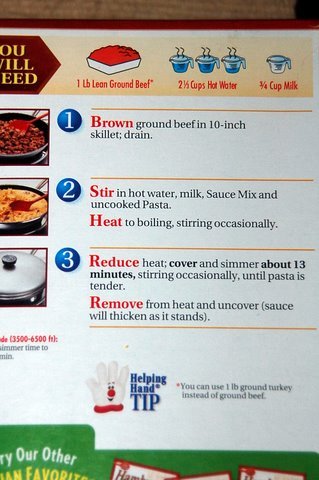 Sure, I might consider it easy and inexpensive to buy a package of corn tortillas and a few cans of beans, sauté them with onions and garlic and spices, top them with cheese, tomatoes, and lettuce. With this kind of simple recipe in one’s back pocket, there’s not much need to ever buy a premade meal. But people need to know the simple options available, and they need to get past the initial grocery shopping barrier, where a stressed shopper may find it easier to throw a few bags and boxes into a cart and get in line rather than visit several aisles to select fresh ingredients. Then, even if the time to cook a fresh, lower-sodium, lower-sugar, no-allergen meal is about the same as to cook, say, Hamburger Helper or Kraft mac & cheese, people need to know and believe that it is.
I don’t think parents of any economic bracket are feeding their kids peanut butter if it’s going to send them into anaphylactic shock—though please correct me if I’m wrong—but for parents of children with celiac disease who must choose between feeding their kids food that makes them ill or not feeding them at all, the “correct” choice is clear but incredibly unfair. Feeding a kid with celiac disease a sandwich is “just” going to cause them discomfort, albeit in some cases severe discomfort (as well as long-term intestinal damage that can be reversed in the future). Living Without covered this topic some time ago in this article, which includes this wrenching quotation from a mom discussing the available options at her local food bank: “My daughter will just have to live with diarrhea.”
But she shouldn’t have to. No one should. People who have (or whose children have) celiac disease and who can’t afford groceries, much less pricier gluten-free staples like bread and cereal, need to be able to get gluten-free food from shelters, food banks, and soup kitchens. Foods stamps need to cover gluten-free or allergen-free food. Companies need to donate things other than peanut butter and wheat pasta to food banks (which, from what I can tell, actually prefer to get donations of money or time from average citizens, since the foods donated are sometimes unsuitable). We need to provide support for those in need that addresses all their needs.
I found out about Food Bloggers Against Hunger yesterday, and I didn’t try to officially sign up since it was so last minute and I’m not really sure I’m a food blogger anyway. But I felt inspired to join in, so I wrote this post. Check out the other posts and consider sending a letter to your Congress reps asking them to protect SNAP funding.
I fully understand that in a time when we’re fighting to keep even the financial assistance we already provide to the hungry, it may seem excessive to ask for even more specialized care. But I think it’s important. Celiac disease advocacy, though important, seems to often focus on issues of available food and awareness in restaurants and, recently, in college dining halls. As important as this may be, it concentrates our energy on spaces that already cater to the relatively privileged. I feel that we as celiac or food allergy advocates need to broaden our scope, to focus on the pressing daily reality of starvation in our country and in others. I’m just not totally sure how to do it, which is why I’m opening this up to you now.
Do you agree we as celiac or food allergy advocates need to broaden our scope? What concrete things can we do for those of us who are struggling to get by? What things do you do already to help the hungry, whether food-restricted or not? Do you support SNAP funding?


 The spokesperson said people reported liking the gluten-free pastries better than the usual goodies on offer (perhaps, I’d wager, because they were shrinkwrapped rather than left out to get stale). He even confirmed there was talk of making all their products gluten-free by 2020, which would make Dunkin Donuts the first large mainstream franchise to go 100% gluten-free. This will be amazing for our community, both in terms of awareness and in terms of available donuts.
 Based on a Sprue Story